Dongguan Aier Eye Hospital: One City, Three Hospitals and One Clinic, Part of a Global Network
 0769-22660023 0769-22660023
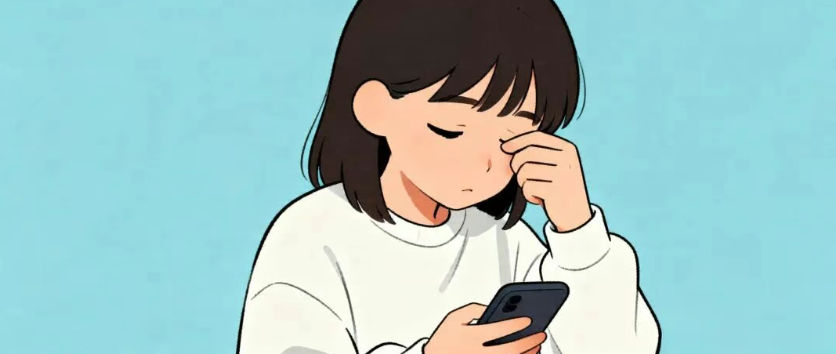
Even though we feel dryness, itching, and even light sensitivity and tearing in our eyes every day, we still can’t stop scrolling on our phones and staring at computer screens.
Wait a minute! Who is “Mingming”?
“Mingming” is each and every one of us.
For many eye doctors, the most frustrating thing is seeing that everyone knows which behaviors “damage the eyes,” yet they still cling to the mindset that “it’ll go away after a good night’s sleep” or “it’s no big deal.”
It’s important to understand that much of the damage to our eyes never happens suddenly—it’s the result of gradual, cumulative strain. By the time obvious symptoms appear, the damage is often irreversible.
The following five habits are essentially the “five-piece set for ruining your eyes” in modern life—especially the first one.
Image
Take a look and see how many of these apply to you:
1. Staring at electronic devices for long periods: Your eyes work nonstop, and you blink noticeably less often
Switching between phones, computers, and tablets is part of everyday life for modern people. But have you noticed that when you’re focused on a screen, you blink less frequently?
Under normal circumstances, people blink 15–20 times per minute. This action helps tears evenly coat the eye’s surface, keeping the eyes moist. But when you’re focused on a screen, the number of blinks can drop sharply to fewer than 5 per minute. Tears evaporate too quickly, leaving the eye surface in a constant state of “dehydration.”
Don’t assume that eye soreness, slow focusing, or blurry vision are just signs of “tiredness that will go away with a little rest”—these are actually signals that your eyes have already been damaged. If this continues over the long term, dry eye syndrome and eye strain will come knocking!
2. The “007 Work Schedule” for Contact Lenses: Wearing Them from Morning to Night, Without Removing Them Even While Sleeping
Image
Many contact lens wearers feel that “wearing them is just more convenient,” so they wear them from the moment they leave home in the morning until they go to sleep at night—and are even too lazy to take them out during naps. But you may not realize that this is actively “wearing down” your cornea.
Contact lenses themselves block the cornea’s contact with air, reducing its oxygen permeability. Prolonged wear (more than 8 hours) keeps the cornea in a state of chronic oxygen deprivation, slows tear circulation, causes protein deposits to adhere to the lenses, and allows bacteria to multiply.
Mild symptoms include dry eyes, redness, and a foreign body sensation; more serious cases can lead to keratitis or corneal abrasions, which may even affect your vision.
Recommendation: Limit daily contact lens wear to no more than 8 hours to allow your cornea to “breathe”; no matter how tired you are, never nap or sleep overnight while wearing them.
3. Relying on “Trendy” Eye Drops to “Stay Awake”: The More You Use Them, the Drier and More Dependent You Become
Image
As soon as your eyes feel dry or red, you reach for viral eye drops and apply them liberally, seeking quick relief—this is a common habit for many, but it is precisely a major cause of eye damage.
Many viral eye drops contain preservatives and vasoconstrictors to achieve “rapid redness relief” and “instant eye lubrication.” While they may provide immediate relief and reduce redness, this only “treats the symptoms, not the root cause.”
Long-term use of eye drops containing preservatives can disrupt the stability of the tear film and worsen dry eye syndrome; prolonged use of vasoconstrictors can lead to vascular dependence, causing more severe redness after discontinuation and potentially triggering drug-induced conjunctivitis.
Recommendation: If you experience redness, dryness, or itching in your eyes, seek medical attention promptly and avoid using eye drops indiscriminately.
4. Using Your Phone in the Dark: Equivalent to “Burning” the Back of Your Eyes with Bright Light
Image
Lying in bed and scrolling through your phone after turning off the lights is a bedtime habit for many people, but the damage this causes to your eyes is akin to a “double blow.”
Translated with DeepL.com (free version)

咨询电话:
0769-22660023
医院地址:
东莞市东城区莞樟路石井路段171号-东莞爱尔眼科医院